
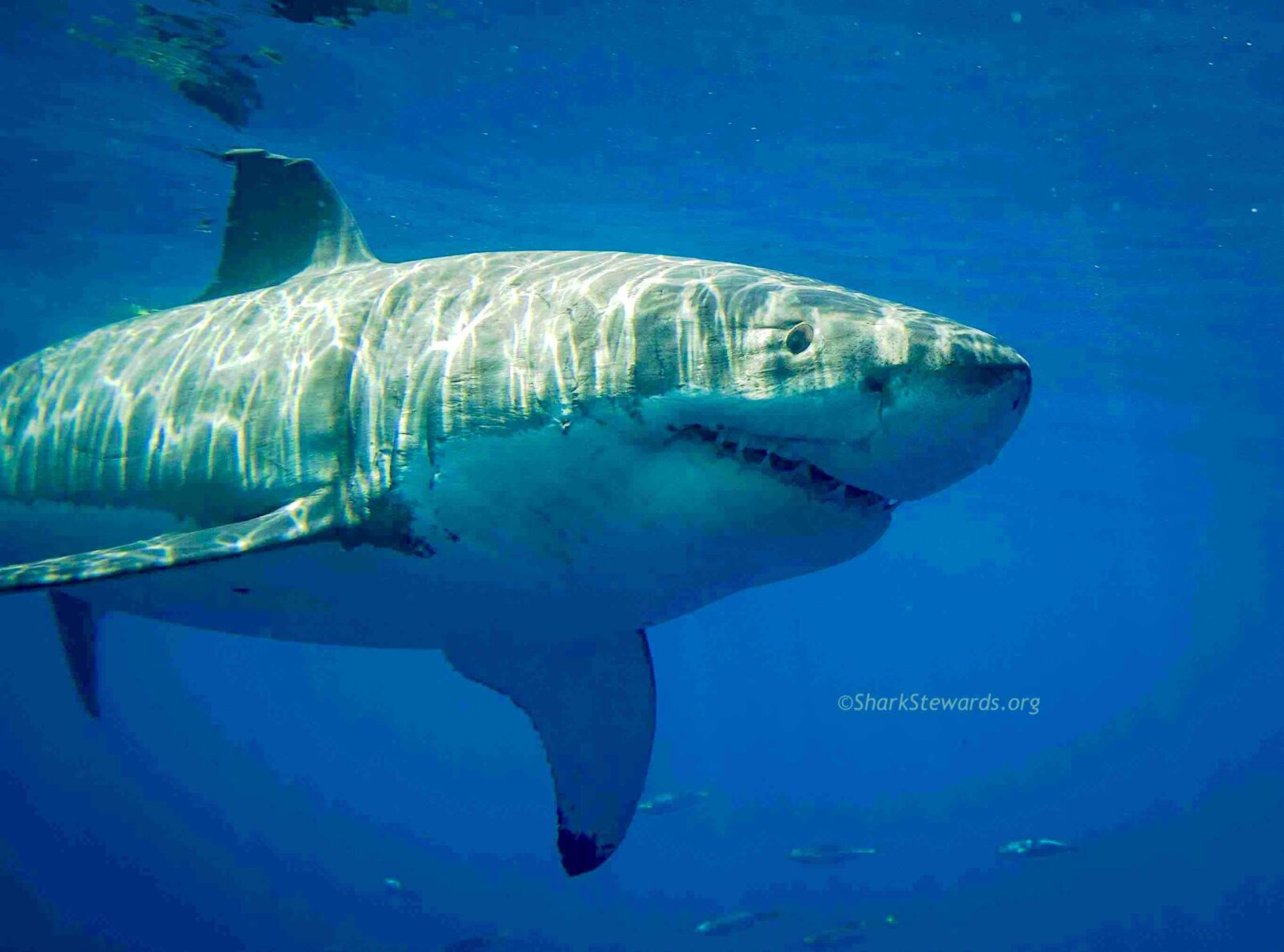
Learn about shark migration, behavior, and diversity along the California coastline with David McGuire, founder of Shark Stewards, a shark conservation nonprofit dedicated to saving sharks and protecting critical marine habitat.
Read MoreICCAT Fails to Protect Atlantic Sharks
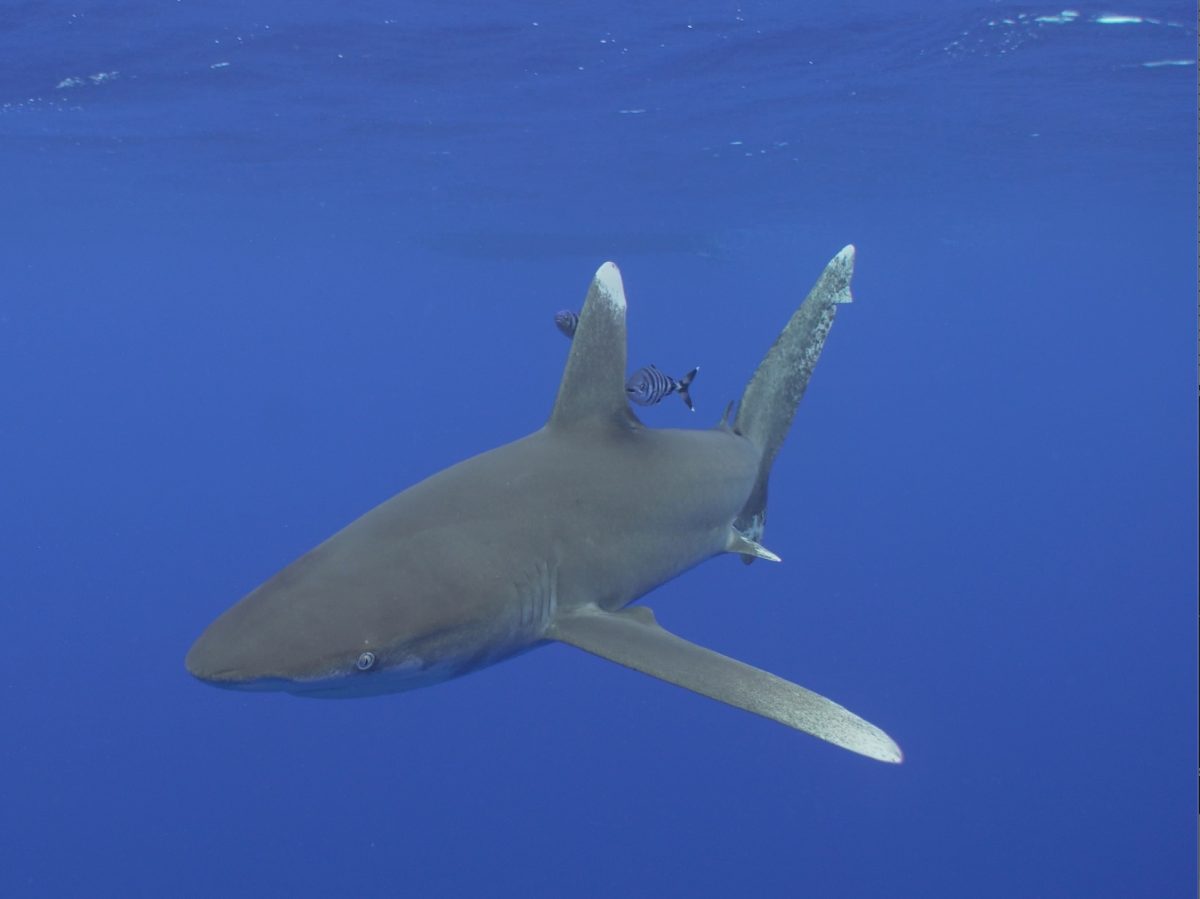
Last week, the annual meeting of the International Commission for the Conservation of Atlantic Tunas (ICCAT) in Cyprus ended with a failure to pass loopholes over shark finning.
Read MoreSharktober News

Saving Sharks and Protecting Marine Habitat- Sharktober news 10/31/2024
Read MoreNew Study Reveals Remnant White Shark Population in Med.
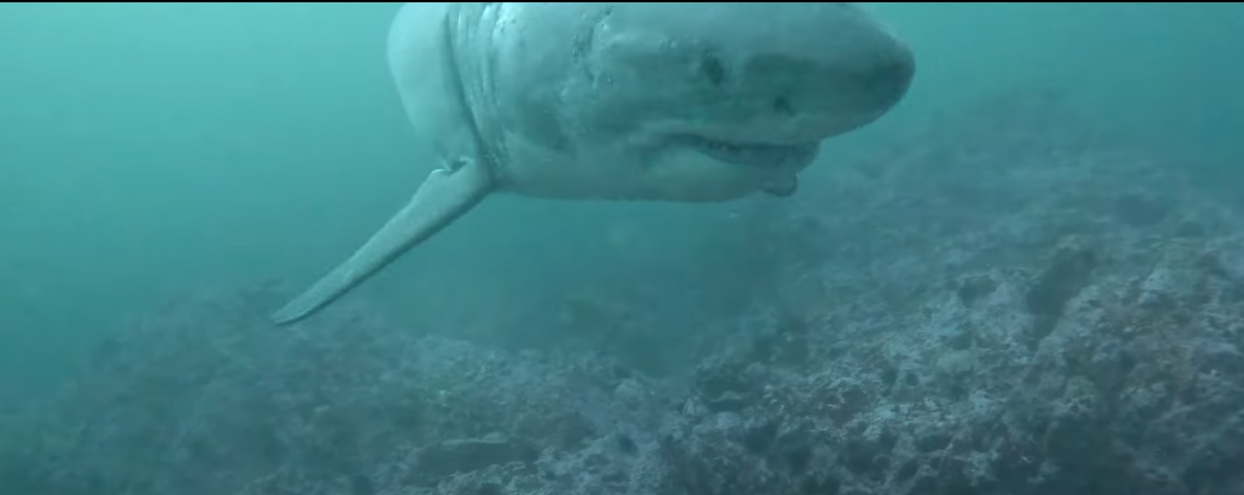
A team of scientists has discovered one of the last remaining white shark populations in the Sicilian Channel, of the western Mediterranean Sea.
Read MoreSupport Pacific Island Marine Sanctuaries
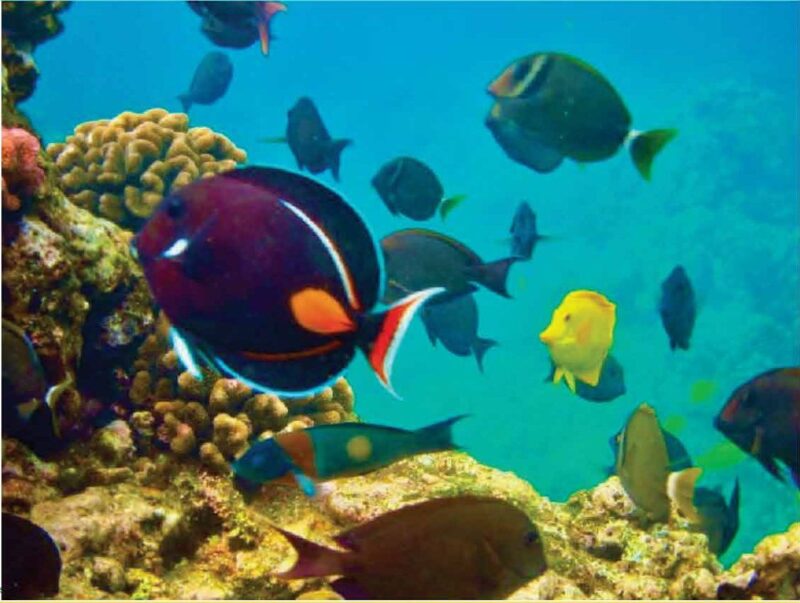
In the next three years we have our sights on increasing marine protection in US waters through the creation of two new National Marine Sanctuaries: one in California with the Chumash Heritage National Marine Sanctuary, and one in Hawaii with the creation of the Papahānaumokuākea National Marine Sanctuary. Creating the proposed Papahānaumokuākea National Marine Sanctuary within the Papahānaumokuākea National Marine Monument and the Pacific Remote Islands National Marine Sanctuary (PRINMS). These Sanctuary designations will provide stricter protection and can avoid challenges from future administrations stripping marine and cultural protection for resource extraction.
Read MoreWhat is Sharktober?
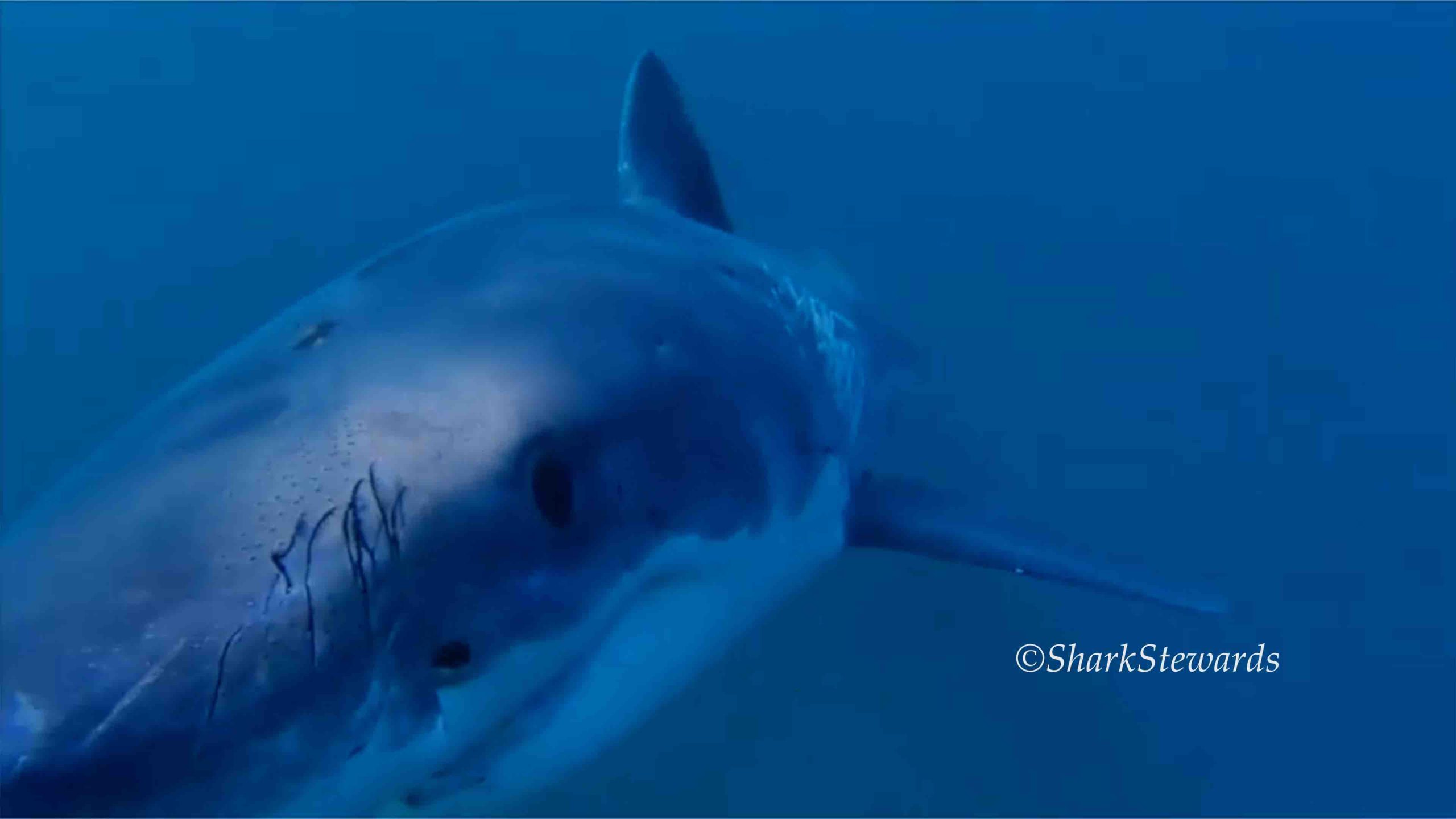
Sharktober is the period when the large adult sharks reappear on our coastline after six months or more of absence. After migrating thousands of miles from the Central Pacific ocean between North America and Hawaii called the “White Shark Cafe”, the mature white sharks return in late summer to their feeding grounds off the Central California coast.
Read MoreProtecting Endangered Sharks
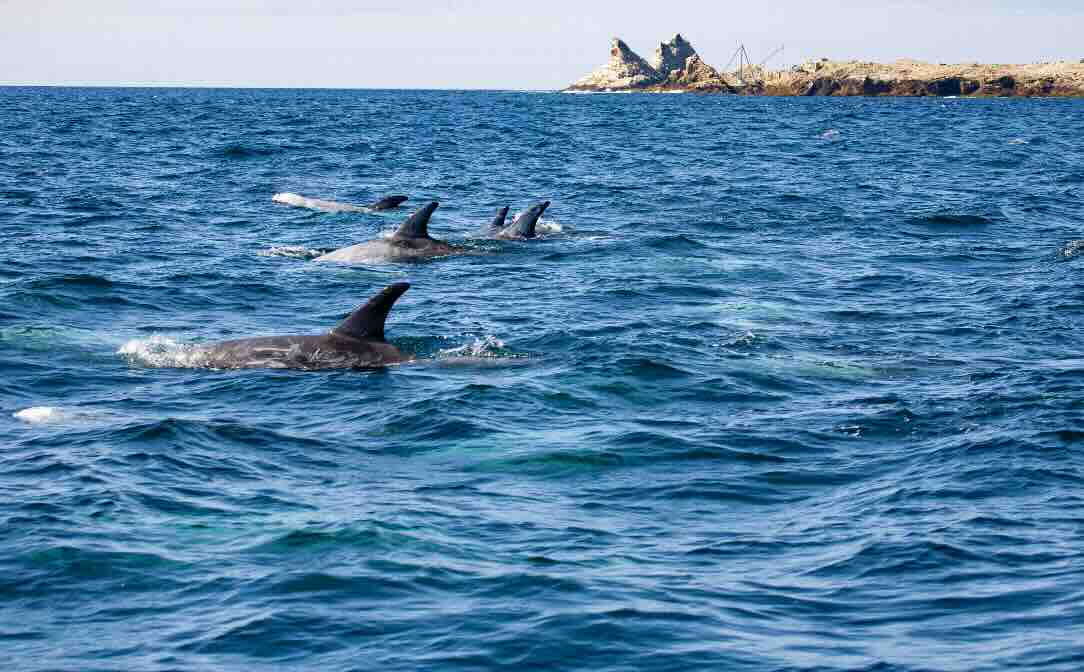
Increased protection would reduce incidental take of critically endangered sharks in the Pacific and protect critical habitat. A
Read MoreKiller Whales Considered Separate Species

In the Gulf of the Farallones, the most common ecotype is known as the Transients or Biggs Ecotype. The Transients were the group identified in the humpback whale event last month. These orcas eat mammals, but are known to occasionally prey on seabirds, possibly squid, and occasionally even great white sharks too.
Read MoreThe Real Apex Predators Are White and Black
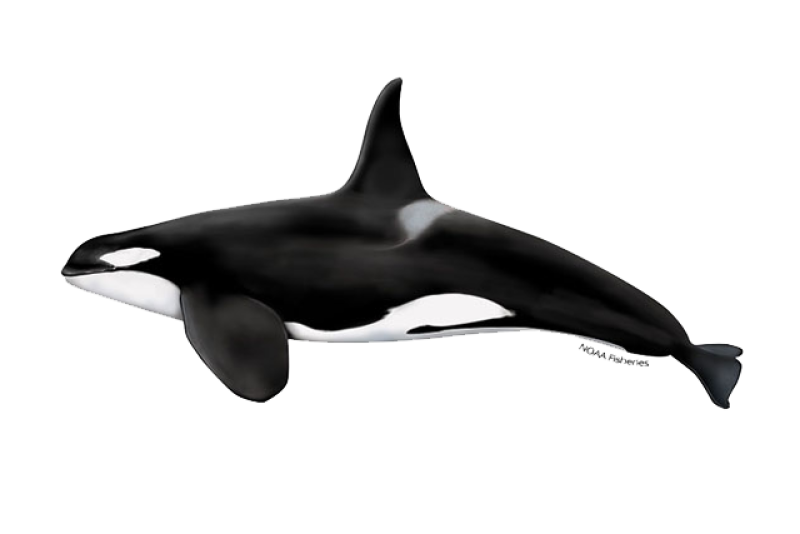
Highly intelligent, Orcas are also adaptable. It is believed that the resident Orcas may be moving into southern waters to seek alternate prey sources due to a decline in salmon. With an abundance of anchovies in the Greater Farallones and Monterey Bay National Marine Sanctuaries, hundreds of humpback whales are feeding nearshore. Overlapping with the whale season is Sharktober, when the adult white sharks return to feed on pinnipeds off the Farallon Islands. Shark Stewards leads public education trips out to the Farallones each fall helping collecting observations on whales and sharks. Although we love orcas, speaking from a shark conservationists’ point of view, we hope they pass on through and white sharks aren’t on the menu this year!
Read MoreNOAA Considers New Rule to Increase Protection Oceanic Whitetip Sharks
In a public hearing August 20-21 National Oceanic and Atmospheric Administration conducted hearings seeking comments on a proposed rule to extend protective regulations for threatened oceanic whitetip sharks under section 4(d) of the Endangered Species Act. The public can submit comments on the rule until Sept. 15.
Read More